

Cart
0
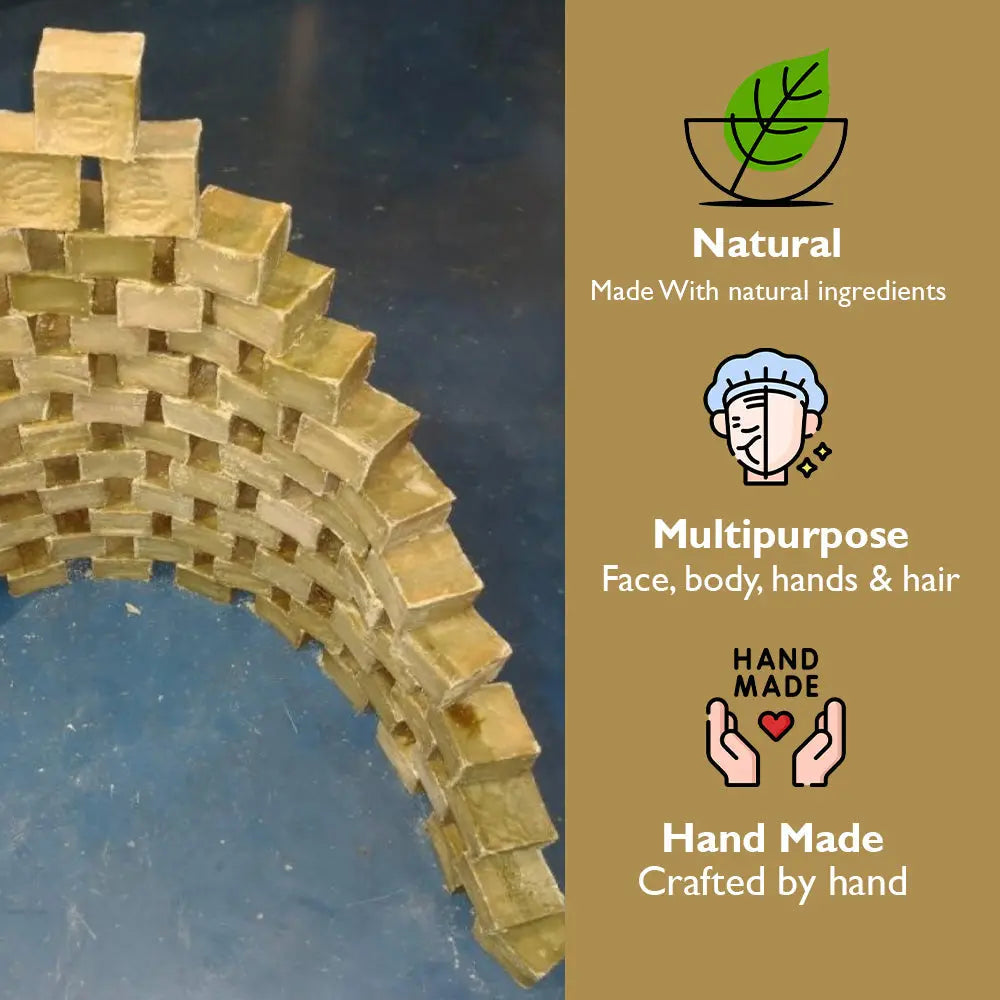
Not every soap described as Aleppo-style has the same formulation, origin or manufacturing process. Here are nine useful things to check before buying.
1. Check the oils
Look for olive oil and laurel oil in the stated formulation. Don't rely on the name alone.
2. Look at the laurel percentage
Percentages can help you compare formulations. A higher percentage is not automatically better; it simply describes a different formulation.
3. Check the country of manufacture
Aleppo soap has Syrian cultural heritage, but modern Aleppo-style products can be manufactured elsewhere. Check the actual country of origin.
4. Understand the production method
Traditional production involves cooking the oils with an alkali, setting and cutting the soap, then allowing it to cure or age.
5. Don't judge colour alone
Bars can vary in colour and appearance depending on formulation, curing, storage and other manufacturing factors. Appearance alone does not establish authenticity.
6. Expect a distinctive aroma
Laurel oil has a characteristic herbal, earthy aroma. The scent can vary in strength and individual preferences differ.
7. Read the information, not just the marketing
Check ingredients, weight, manufacturer information, country of origin, precautions and other required product information.
8. Be cautious with miracle claims
Claims that soap cures eczema, psoriasis, acne or other conditions should be treated cautiously. Cosmetic claims need to be truthful and supported by appropriate evidence.
9. Consider storage
Traditional bar soap lasts better when it can drain and dry between uses. A draining soap dish can make a noticeable difference.
MHANA No.01
MHANA No.01 is a 200g olive-and-laurel soap made in Turkey using a traditional Syrian/Aleppo-style method. See the product and read the MHANA FAQ.
